
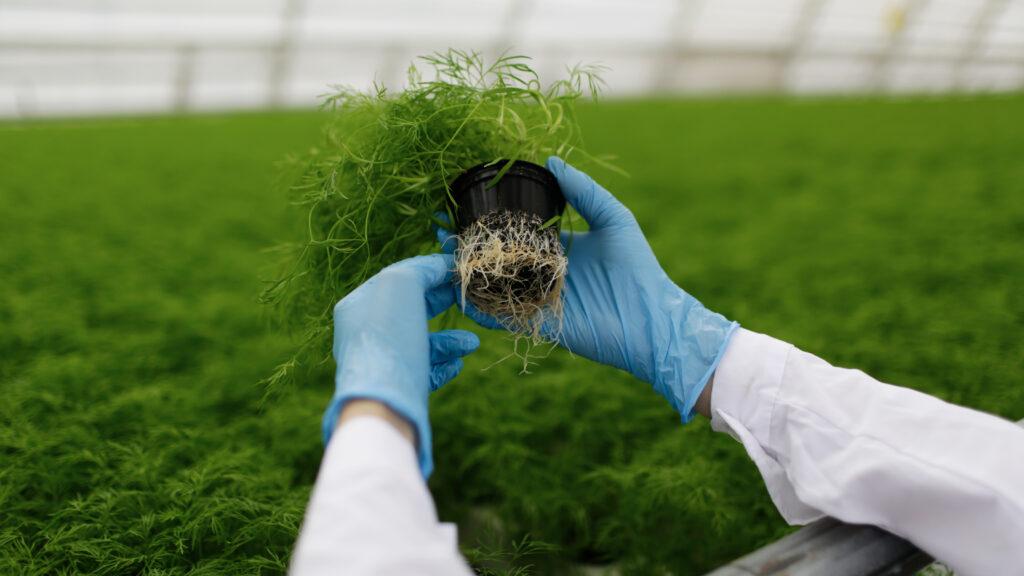
Balanced Nutrition and Disease Management: A Crucial Connection for Sustainable Crop Protection
Comprehensive nutrition is fundamental for plant defense, as mineral elements play a critical role in plant health. These elements regulate redox enzymes and indirectly boost plant vigor by altering root exudates, microflora dynamics, rhizosphere soil nutrient content, pH fluctuations, lignin deposition, and phytoalexin biosynthesis. Farmers use various pest management strategies: Genetic Resistance through less susceptible crops, Biological Control via natural predators, Chemical Methods using fungicides and pesticides, Cultural Practices to optimize growth conditions, and Nutritional Management. Proper plant nutrition is often overlooked in disease resistance, yet balanced mineral nutrition can mitigate disease progression in crops. Eighteen essential nutrient elements are necessary for growth, including primary macronutrients (Nitrogen, Phosphorus, Potassium), secondary macronutrients (Calcium, Sulfur, Magnesium), and micronutrients (Boron, Chlorine, Manganese, Iron, Zinc, Copper, Molybdenum, Nickel). These nutrients are vital for plant development and disease resistance, with specific nutrients exerting varying effects on diseases depending on the environment. Fertilizers should complement rather than replace pesticides within integrated pest management, aiding in the reduction of pesticide usage and residues in food crops. Two main resistance mechanisms influenced by mineral nutrition include the formation of mechanical barriers through thicker cell walls and the production of natural defense compounds like phytoalexins and antioxidants. Additionally, nutrient presence enhances pathogen inactivity, contributing to higher crop yields while fostering healthy growth.
The Importance of Nutrients in Mitigating Disease Severity:
Nitrogen (N): Nitrogen plays a crucial role in plant growth, absorbed in either reduced (NH4+) or oxidized (NO3−) forms. Nitrification in soils generates nitrate, which is further transformed into amino acids for cellular functions. However, the relationship between nitrogen and disease development is complex and inconsistent across studies. Different nitrogen forms influence the interaction with pathogens, as high nitrogen levels can aggravate infections from obligate parasites like Puccinia graminis, while reducing severity from facultative parasites such as Fusarium oxysporum. This variation arises from the differing nutritional needs; obligate parasites depend on live cells, whereas facultative parasites utilize dying tissues. Enhanced host metabolic activity and delayed tissue senescence can lead to better resistance against facultative pathogens. Notably, excessive nitrogen can intensify disease symptoms and decrease crop yields in species like watermelons and wheat, as it encourages rapid growth of younger tissues that are more vulnerable. Furthermore, high nitrogen rates modify plant metabolism, potentially lowering the activity of enzymes associated with phenolic metabolism, thereby reducing phenolic and lignin levels, which are vital for plant defenses against pathogens.
Phosphorus (P): Phosphorus (P) ranks as the second most widely used nutrient for plants after nitrogen, playing a critical role in crop yield enhancement. It is vital for the structural integrity of ribonucleic acids (RNA) and is involved in various biochemical processes such as energy transfer and protein metabolism. In agriculture, P is extensively utilized in fertilizers and as agents for disease control, including fungicides, bactericides, and nematicides. However, its effect on disease resistance can be varied and unpredictable; while P has been shown to enhance resistance to certain diseases in crops like tomatoes against Fusarium and tobacco against Pseudomonas tabaci, it can reduce resistance in others, such as tobacco against Tobacco mosaic virus and cucumber against Cucumber mosaic virus. Additionally, P is particularly beneficial for controlling fungal diseases in seedlings by promoting rapid root development, which helps plants evade diseases. For example, in corn, the application of P can mitigate root rot, particularly in phosphorus-deficient soils. The nutrient has been linked to the reduction of several diseases including potato scab, peanut rust, bacterial leaf blight in rice, leaf curl virus in tobacco, pod and stem blight in soybean, brown stripe disease in sugarcane, blast disease in rice, and both cowpea anthracnose and Rhizoctonia root rot disease in faba beans.
Potassium (K): Potassium (K) is vital for a plant’s biochemical and physiological functions. Its deficiency leads to weakened structures, shorter roots, and increased susceptibility to diseases, allowing pathogens to invade more easily. Research shows that K fertilization greatly reduces insect infestations and disease incidences in various host plants, with disease reductions of approximately 70% for fungal infections, 69% for bacterial, 41% for viral, 63% for insect and mite, and 33% for nematode infestations, while also improving yields. In potatoes, K fertilization reduces occurrences of late blight, dry rot, powdery scab, and early blight, and it serves as an alternative treatment for anthracnose in tomatoes. Potassium phosphate is highly effective against barley powdery mildew, and when combined with fungicides, it enhances control over late blight in potatoes. K salts are more efficacious than traditional fungicides, posing lower health and environmental risks. Moreover, K helps alleviate Alternaria leaf spot in low K soils and shows effectiveness against wheat powdery mildew. A high concentration of K+ strengthens cell walls, enhances airflow in crops, and regulates stomatal movement. Deficient plants are vulnerable to pathogens due to impaired stomatal closure and metabolic disruption. Although K deficiency can attract certain pests, it also activates defenses against some necrotrophic pathogens, suggesting that temporary K limitations might strategically protect crops from herbivory and diseases.
Calcium (Ca): Insufficient Ca in fruit tissues lowers resistance to parasitic diseases and physiological disorders, causing postharvest issues like decay and delayed ripening. Pre- and postharvest Ca applications prevent fruit softening and decrease weight loss, especially when combined with 45 °C hot-water treatments. Research indicates that strawberry fruit dipped in CaCl2 exhibited less decay and increased firmness. Preharvest CaCl2 sprays on papaya significantly reduced anthracnose disease incidence by decreasing spore germination and mycelial growth. The combination of calcium and boron enhances cell wall stabilization compared to Ca alone. Adequate Ca in neutral to slightly alkaline soils decreases clubroot disease in crucifers and reduces damping-off caused by Pythium sp. It also boosts resistance against Rhizoctonia, Sclerotinia, and Botrytis. Increased Ca levels correlate with lower polygalacturonase activity, resulting in higher resistance to soft rot diseases like Erwinia carotovora and reduced incidence of gray mold and apple decay attributed to pectolytic enzyme control.
Magnesium (Mg): Magnesium is essential for plant photosynthesis, serving as the central atom in chlorophyll, which captures light energy. Magnesium is essential for the transport of phloem exports of photosynthates; however, under deficient conditions, substances such as sucrose and amino acids accumulate in the leaves, creating a favorable environment for various disease-causing pathogens to thrive. Therefore, the elements that regulate magnesium availability in soils and its absorption by plants may affect magnesium-induced resistance and/or vulnerability in host plants. For instance, magnesium deficiency is relatively prevalent in potassium-rich micaceous soils (due to antagonistic interactions), and as a result, magnesium deficiency may worsen with the application of potassium fertilizers. The effect of Mg has been investigated in some studies in reducing the disease severity in crops like rice, wheat citrus, potato, poppy, and peanut.
Sulphur (S): Sulphatic fertilizers enhance plant disease management primarily by inducing the plant’s natural defense mechanisms, a phenomenon termed Sulphur-Induced Resistance (SIR). This involves both direct antifungal effects and indirect strengthening of plant health. Sulphur is a crucial component of amino acids like cysteine and methionine, which are precursors to important defense-related molecules such as Glutathione (GSH), Glucosinolates and Phytoalexins. Glutathione (GSH) is a primary antioxidant that helps scavenge reactive oxygen species (ROS) produced during stress and infection, maintaining cellular redox homeostasis. Glucosinolates and Phytoalexins these secondary metabolites have direct fungitoxic effects, deterring pathogens and pests, especially in crops like canola and other cruciferous vegetables. Adequate sulphur nutrition strengthens plant cell walls, making it harder for fungal pathogens like Fusarium to penetrate. Sulphur compounds serve as signaling molecules that activate systemic resistance pathways, enhancing disease tolerance. It works well with nitrogen, with an optimal N:S ratio of 12:1 for efficient nutrient utilization. Sulphur applications also promote beneficial soil microbes, improving nutrient availability and suppressing pathogens. Fertilization with sulphur has been effective in reducing disease severity, including Wilt diseases from Fusarium oxysporum, Black scurf in potatoes, and Light leaf spot in oilseed.
Zinc (Zn): Zinc (Zn) plays an important role in activating enzymes involved in various metabolic pathways, especially in protein and starch synthesis, and therefore, a low concentration of zinc leads to the accumulation of amino acids and a decrease in sugars within plant tissues. Zinc also plays a crucial role in maintaining the integrity of bio membranes. A deficiency in zinc may result in increased leakage of low-molecular-weight compounds from membranes, which can create a more favorable environment for pathogens. For instance, in the case of zinc deficiency, the leakage of sugars onto the leaf surface of Hevea brasiliensis exacerbates the severity of infections caused by Odium. Conversely, the application of zinc has been shown to positively influence the tolerance of wheat to Fusarium solani root rot. A balanced application of zinc has been observed to enhance the phenolic content in plants and mitigate the severity of rice sheath blight. Furthermore, the addition of zinc to the soil has been effective in reducing the incidence of crown root rot disease in wheat. Zinc has demonstrated significant potential in alleviating the severity of diseases caused by Macrophomina phaseolina. The application of zinc as a soil-nutritive agent has been instrumental in the defense mechanisms of cluster bean seedlings against Rhizoctonia root rot, as it enhances the activity of antioxidative enzymes that help combat fungal invasion. These findings indicate that the incorporation of zinc is vital for promoting disease tolerance.
Boron (B): Boron (B) is an essential micronutrient utilized to rectify deficiencies through both soil and foliar applications, playing a vital role in mitigating disease severity. It strengthens cell wall rigidity, which is important for maintaining cell shape and structural integrity, while also affecting the integrity of the plasma membrane. In conditions of B deficiency, membranes can become compromised, resulting in the leakage of organic compounds that attract pathogens. Additionally, B affects the synthesis of phenolic compounds and lignin, which contributes to resistance against pathogens. It has proven effective against wood decay fungi such as Heterobasidion annosum and is associated with heightened infection rates in wheat plants deficient in B that are affected by powdery mildew. Micronutrients, including manganese (Mn), copper (Cu), and B, are known to activate systemic acquired resistance (SAR) mechanisms within plants. B also inhibits the germination and proliferation of Botrytis cinerea and, when applied in conjunction with Cu in foliar treatments, diminishes fungal diseases in rice, thereby improving yield. Treatments involving boric acid and jojoba oil have been shown to significantly reduce the mycelial growth of specific orange rot pathogens.
Iron (Fe) is essential for living organisms, yet it can produce harmful reactive oxygen species, which complicate the dynamics between plants and pathogens. Plants employ iron to increase oxidative stress as a defensive strategy, exhibiting overlapping responses to both iron deficiency and pathogen invasion, such as the secretion of phenolic compounds and shared hormone signaling pathways. Numerous pathogens, including Colletotrichum musae and Fusarium oxysporum, demonstrate reduced growth when iron is applied. Nevertheless, the effects of iron can be both advantageous and harmful; it can enhance disease resistance in certain instances while failing to inhibit specific infections. For example, the application of Fe aids in resisting Sphaeropsis malorum in apples, yet it does not influence take-all disease in wheat. Iron also has an indirect impact on plant metabolism and the production of antimicrobial compounds, while it may promote pathogen growth in particular interactions.
Manganese (Mn) plays a crucial role in disease resistance, and while its application is advantageous, it frequently proves ineffective due to inadequate soil retention. Mn aids in the biosynthesis of lignin and phenolic compounds, which helps to limit fungal invasion into the roots. It successfully manages diseases such as take-all disease in field conditions; however, the effectiveness of foliar applications is diminished.
Copper (Cu) plays a crucial role in enzyme activity, preserving the integrity of cell walls, and mitigating diseases by promoting lignification. A deficiency in Cu results in a heightened vulnerability to diseases in crops. The application of Cu compounds, whether through soil or foliar methods, markedly decreases the incidence of various fungal and bacterial infections, thereby highlighting the advantageous role of copper in bolstering plant disease resistance.
Conclusion:
To meet the needs of ~9 billion people by 2050, sustainable agricultural practices must be adopted, focusing on developing high-yielding, pathogen-resistant, and biofortified crops, while minimizing synthetic fertilizers. Disease resistance in plants is genetically controlled and linked to their nutritional status. Effective nutrient management can reduce disease severity, particularly in undernourished crops. Healthy plants with optimal nutrition can better suppress diseases, facilitating the effective use of pesticides. Nutrient application should be integrated into disease management as part of Integrated Pest Management (IPM) practices. Studies indicate that foliar nutrient sprays can lessen disease impact and enhance resistance. Further research on nutrient roles in disease suppression and soil fertility is crucial for future agricultural sustainability, advocating for genetically engineered and disease-resistant crop varieties within IPM strategies.
Sources:
- https://www.researchgate.net/publication/319934097
- https://doi.org/10.1016/j.plana.2025.100192
- Role Of Nutrients In Plant Disease & Pest Management – Cropnuts