
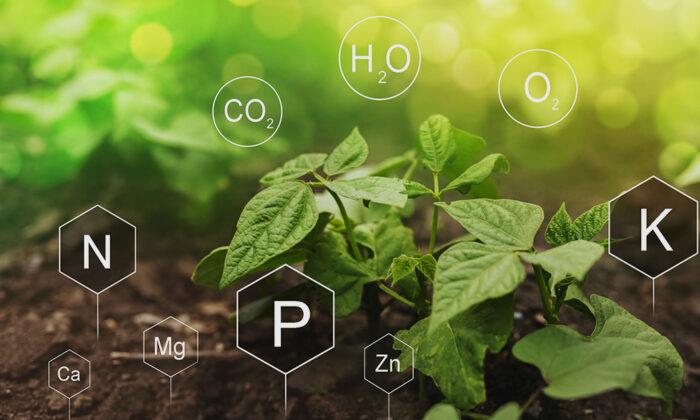
Nitrogen: The Farmer’s Double-Edged Sword
For any farmer, the vibrant green color of a healthy crop is a sight of pure joy. Behind that lush green is often the magic of nitrogen (N), a fundamental nutrient that drives plant growth, leaf development, and ultimately, yield. It is, without a doubt, one of agriculture’s greatest blessings. But like any powerful tool, if misused, it can quickly turn into a curse for your soil, your wallet, and the environment.
The Blessing: Fuel for Growth
Nitrogen is the engine of the plant world. It’s a key building block of chlorophyll, the compound that allows plants to convert sunlight into energy through photosynthesis. It’s also a major component of amino acids, which form proteins essential for plant structure and function.
When you apply the right amount of nitrogenous fertilizer at the right time and at right place, you see the following results:
- Rapid Vegetative Growth: Plants develop strong, sturdy stems and abundant, dark green leaves.
- Improved Yield: For most crops, especially cereals like wheat and maize, adequate nitrogen is directly linked to higher grain and biomass production.
- Enhanced Crop Quality: It improves the protein content in grains, making your harvest more nutritious and valuable.
In short, nitrogen is indispensable for feeding a growing population and for the success of our farms.
The Curse: The Consequences of Excess
The problem arises when we apply more nitrogen than our crops can consume. The mantra “if something is good, more of that must be better” is a dangerous and costly myth when it comes to fertilization.
- Financial Loss: Excess fertilizer is literally money washed away. Every kilogram of nitrogen that isn’t absorbed by your crop is a direct hit to your profitability.
- Crop Damage: Too much nitrogen can “burn” crops, damaging roots and leaves. It can also lead to excessive but weak vegetative growth, making plants more susceptible to lodging (falling over) and pest attacks.
- Soil Degradation: Over the time, imbalanced fertilizer use can acidify the soil and harm the delicate ecosystem of beneficial microbes that keep your land healthy and productive.
- Environmental Harm: The biggest hidden cost. Unused nitrate-nitrogen is highly mobile. It easily leaches through the soil into groundwater, contaminating drinking water. It can also run off into rivers and lakes, causing algal blooms that kill aquatic life.
Wielding the Sword Wisely: The Right Quantity
So, how do we harness the blessing and avoid the curse? The answer lies in precision and knowledge.
- Soil Test, Don’t Guess: This is the most crucial step. A soil test tells you the existing nutrient status of your field. It’s like a doctor’s report; he wouldn’t prescribe medicine without a diagnosis. Apply nitrogen only to meet the deficit.
- Know Your Crop’s Diet: Different crops have different nitrogen needs. Legumes like peas and beans fix their own nitrogen and need very little, while maize and leafy vegetables are heavy feeders. Tailor your application to the specific crop you are growing.
- Split Applications: Instead of one large dose, apply nitrogen in smaller splits that coincide with key growth stages (e.g., basal dose, tillering, panicle initiation). This ensures the plant has nutrients when it needs them most and minimizes losses.
- Use the Right Source: Explore enhanced efficiency fertilizers like neem-coated urea or slow-release formulations that reduce the rate of nitrogen loss into the environment.
By treating nitrogen with respect and precision, we can stop seeing it just as a cost and can start using it as a strategic investment. An investment that pays back in higher yields, healthier soil, protected resources, and money saved. Let’s commit to using this powerful tool wisely, for the sake of our crops, our land and our children.