
Nutrient Mobility in Plants: Understanding How Nutrients Move and Impact Crop Health
Nutrient Mobility in Plants: Understanding How Nutrients Move and Impact Crop Health In the world of agronomy, understanding nutrient mobility is essential for diagnosing deficiencies, planning fertilization strategies, and improving crop productivity. Nutrient mobility refers to how easily a nutrient moves within the plant – especially from older tissues to newer growth. This characteristic influences...
Read more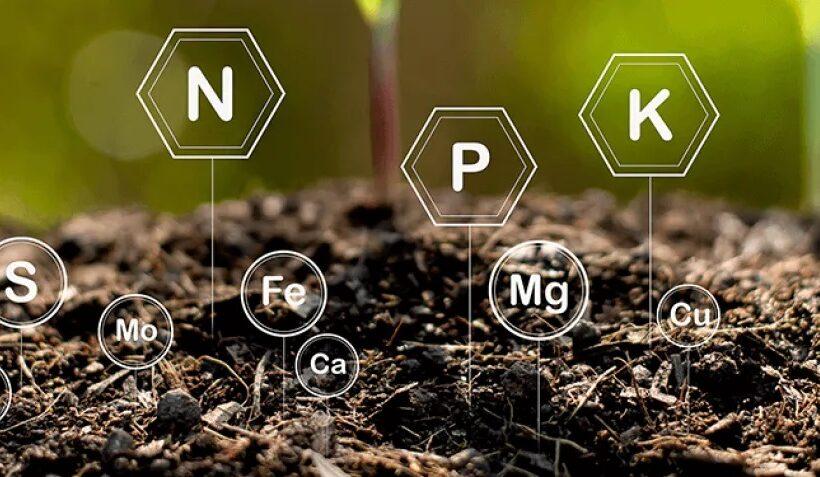
Plant Nutrient Interactions in Soil: Unlocking the Secrets Beneath the Surface
Plant Nutrient Interactions in Soil: Unlocking the Secrets Beneath the Surface Soil is more than just a medium for plant growth – it’s a dynamic ecosystem where nutrients interact in complex ways. Understanding these interactions is key to optimizing crop health, yield, and quality. In this blog, we explore how nutrients behave in soil and...
Read more
The Secret World Beneath Our Feet
The Secret World Beneath Our Feet A huge and complex ecosystem exists underneath the Earth’s surface, fundamental to life and environmental balance. This ecosystem is comprised of soil microbes, a diverse community of microorganisms, including bacteria, fungi, and protists, which are integral to global ecological processes. These microorganisms are indispensable for sustainable food production. They...
Read more
Trace Elements and Sugarcane
Trace Elements and Sugarcane Sugarcane crop has tremendous potential to increase the farmers income, however the deficiency of micronutrients is one of the major constraints in improving the sugarcane productivity and quality of cane juice. Trace elements, also known as micronutrients, are required for a plant’s proper growth and development. Although a plant requires a...
Read more
Calcium (Ca) – An Important Nutrient for Marketable Quality of Potatoes
Calcium (Ca) – An Important Nutrient for Marketable Quality of Potatoes One nutrient that is crucial for plants is Calcium. The basic existence of plants and animals depends on calcium, which is present all around us. One of the nutrients that is most important to plant growth but is less noticeable is calcium. All too...
Read more
Soil Organic Matter
Soil Organic Matter Introduction Soil organic matter is the amount of the soil that consists of decomposing plant or animal tissue. Most of our productive agricultural soils contain between 3 and 6% organic matter. Soil organic matter improves soil production in a variety of ways. There are various components of organic matter, as well as...
Read more
Don’t Forget Zinc When Applying Phosphorus to Your Farm
Don’t Forget Zinc When Applying Phosphorus to Your Farm Introduction Phosphorus (P) fertilizer is frequently used to increase crop productivity; however, farmers should not forget the role of micronutrients like Zinc (Zn). High amounts of P fertilizer, for example, without adequate plant-available Zn, could restrict Zn uptake by the roots, generate Zn shortage and diminish...
Read more
Sulphur – A Major Nutrient
Sulphur – A Major Nutrient Sulphur (S) is classified as a secondary element, along with Calcium (Ca) and Magnesium (Mg), but it is sometimes called “the 4th major nutrient”. Some crops can take up as much S as P. Sulphur has become more important as a limiting nutrient in crop production in recent years for...
Read more
Boron – A Key Micronutrient
Boron – A Key Micronutrient What is Boron? A balanced supply of essential macro and micronutrients is one of the most important factors to achieve higher crop yields. Boron (B) is one of 8 micronutrients needed for proper plant growth. Lack of B in plant tissue can reduce cell wall function and stability, cell elongation,...
Read more