

Role of Renuvis (Phosphate Solubilizing Bacteria) in Improving Phosphorus Use Efficiency (PUE)
Role of Renuvis (Phosphate Solubilizing Bacteria) in Improving Phosphorus Use Efficiency (PUE) Phosphorus is one of the key essential nutrients for plants, along with nitrogen and potassium. These three nutrients are often referred to as the primary macronutrients because they are required in larger quantities compared to other nutrients. Phosphorus is an important nutrient for...
Read more
Identifying and Correcting Nutrient Deficiencies in Pomegranate through Integrated Nutrient Management
Identifying and Correcting Nutrient Deficiencies in Pomegranate through Integrated Nutrient Management Pomegranate production thrives on the type and health of the soil. Conducting a soil test is crucial to select suitable land and plan balanced fertilization. Identifying nutrient deficiency symptoms early and addressing them promptly is essential. Using organic, biological, and green manures optimally can...
Read more
ಮೆಕ್ಕೆಜೋಳ ಬೆಳೆಯಲ್ಲಿ ಸಮಗ್ರ ಪೋಷಕಾಂಶಗಳ ನಿರ್ವಹಣೆ
ಮೆಕ್ಕೆ ಜೋಳ (ಮುಸುಕಿನ ಜೋಳ/ಗೋಂಜೋಳ/ಗೋಂಜಾಳ) ಭಾರತದ ಒಂದು ಅತಿ ಮುಖ್ಯವಾದ ಆಹಾರ ಬೆಳೆಯಾಗಿದ್ದು ಭತ್ತ ಮತ್ತು ಗೋಧಿಯ ನಂತರದ ಸ್ಥಾನದಲ್ಲಿದೆ. ಇದನ್ನು ಮುಖ್ಯವಾಗಿ ಮುಂಗಾರು ಬೆಳೆಯಾಗಿ ಭಾರತದಲ್ಲಿ ಬೆಳೆಯಲಾಗುತ್ತದೆ. ಶೇಕಡಾ 85 ನಷ್ಟು ಬೆಳೆಯನ್ನು ಮುಂಗಾರು ಬೆಳೆಯಾಗಿ ಮತ್ತು ಉಳಿದ 15% ಅನ್ನು ಹಿಂಗಾರು ಬೆಳೆಯಾಗಿ ಬೆಳೆಯಲಾಗುತ್ತದೆ.
Read more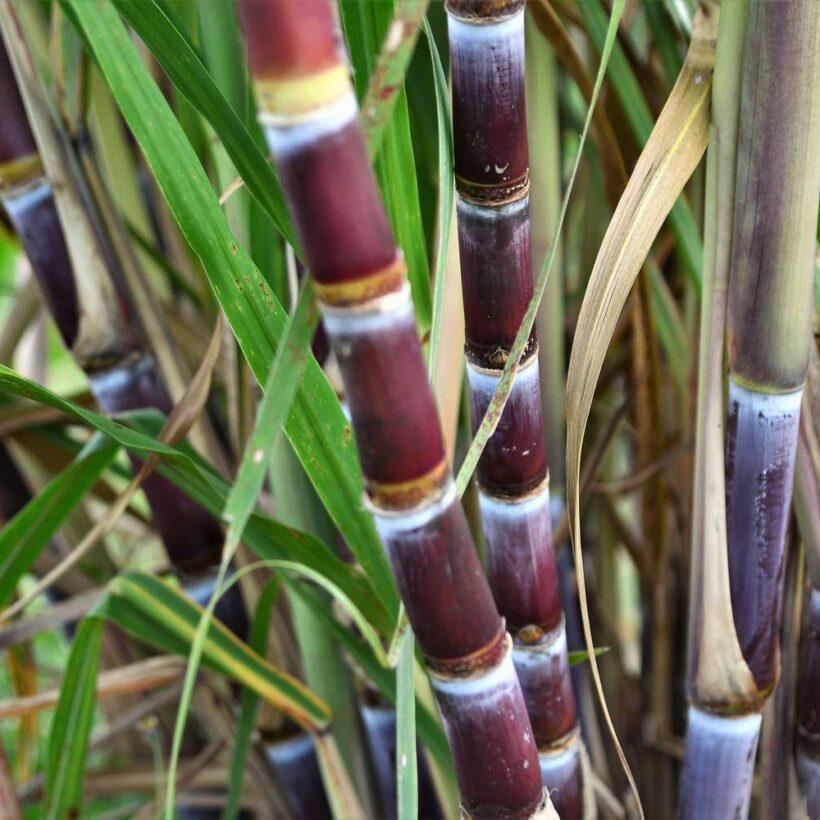
Integrated Nutrient Management in Adsali Sugarcane
Integrated Nutrient Management in Adsali Sugarcane Adsali sugarcane remains in the field for 14 to 18 months, and with two ratoon crops, its lifecycle extends to nearly 3 years. To maintain good soil fertility, an integrated nutrient management system should be adopted. This involves using a balanced mix of chemical fertilizers, organic manures, and bio...
Read more
Trace Elements and Sugarcane
Trace Elements and Sugarcane Sugarcane crop has tremendous potential to increase the farmers income, however the deficiency of micronutrients is one of the major constraints in improving the sugarcane productivity and quality of cane juice. Trace elements, also known as micronutrients, are required for a plant’s proper growth and development. Although a plant requires a...
Read more
Biofertilizers in Agriculture
Biofertilizers in Agriculture Global Food Demand and Role of Biofertilizers The world population is projected to reach 9 billion by 2050, significantly escalating the demand for food. However, this increase in demand poses a challenge due to the degradation of soil globally, primarily caused by extensive agricultural practices involving pesticides and imbalanced use of chemical...
Read more
Why Proper Nutrient Management for Grapes during April / Foundation Pruning is Important?
Why Proper Nutrient Management for Grapes during April / Foundation Pruning is Important? April or foundation pruning plays a crucial role in forming healthy grape clusters on vines. It’s a vital step before fruit pruning and sets the groundwork for successful fruit production. Taking good care of the garden post foundation pruning in April is...
Read more
Soil pH and its Impact on Plant Growth and Nutrient Availability
Soil pH and its Impact on Plant Growth and Nutrient Availability One important aspect that affects the availability of nutrients necessary for strong plant growth is the pH of the soil. With a neutral pH of approximately 7.0, it represents the relative acidity or alkalinity of the soil. Departures from this ideal pH range can...
Read more
Why Water Soluble Fertilizers are Important
Why Water Soluble Fertilizers are Important Introduction: With the ability to efficiently provide essential nutrients straight to crops, water soluble fertilizers (WSF) offer a revolutionary solution to managing nutrients in agricultural practices. The article looks into the importance, advantages, compatibility, and methods of application. Understanding of Water Soluble Fertilizers (WSF): WSF, as the name suggests,...
Read more